
Einführung in Forex- und CFD-Handel
Was ist Forex-Handel?
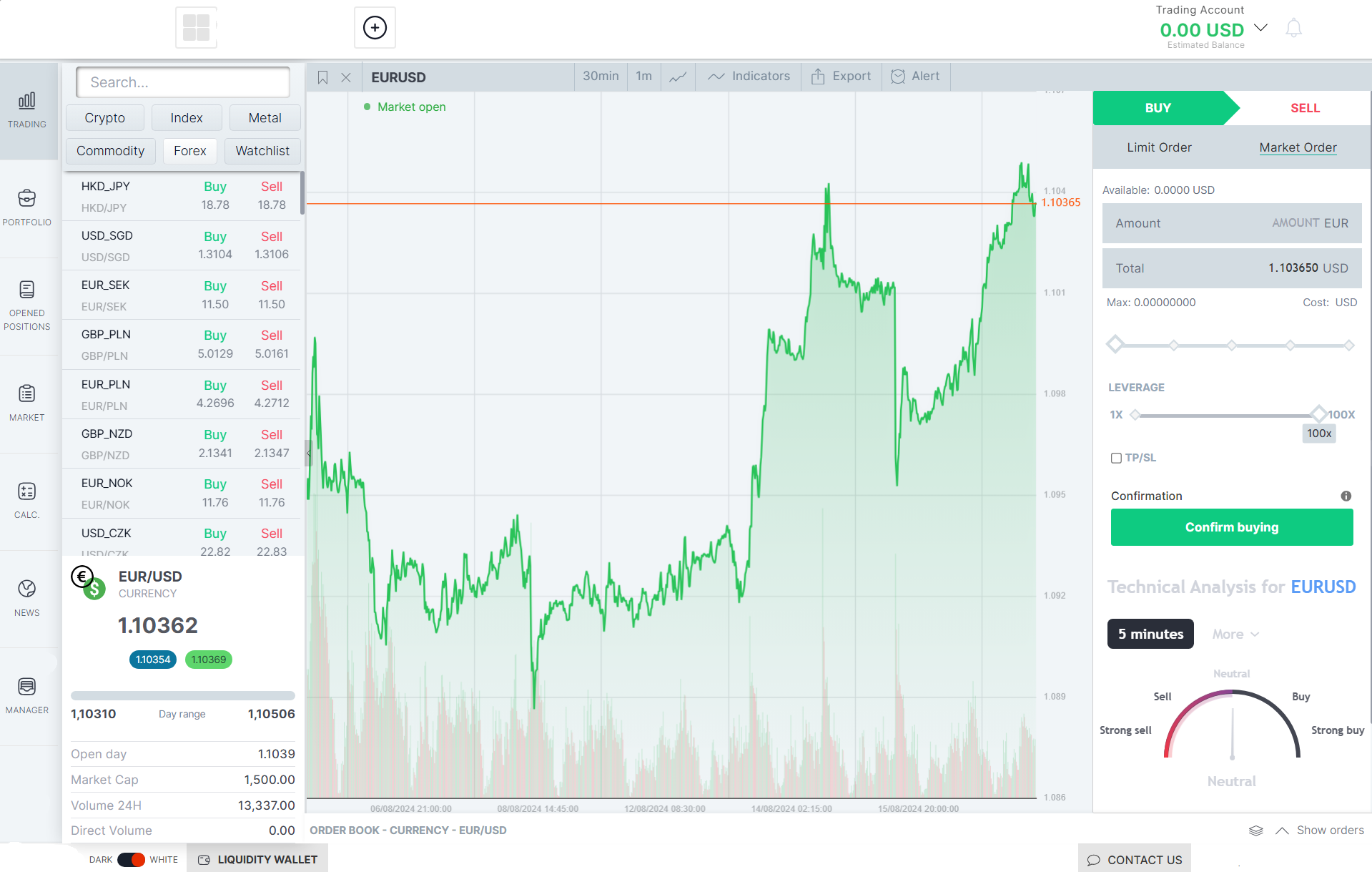
Forex-Handel (Foreign Exchange) bedeutet Kauf und Verkauf von Währungen am Devisenmarkt mit dem Ziel, Gewinn zu erzielen. Der Forex-Markt ist der größte und liquideste Finanzmarkt der Welt — mit einem täglichen Volumen von über 6 Billionen US-Dollar.
Währungen werden in Paaren gehandelt, z. B. EUR/USD (Euro/US-Dollar). Der Kurs jedes Paares schwankt durch Angebot und Nachfrage — beeinflusst von Wirtschaftsindikatoren, geopolitischen Ereignissen und Marktsentiment. Trader wollen von diesen Schwankungen profitieren, indem sie günstig kaufen und teurer verkaufen — oder umgekehrt.
Was ist CFD-Handel?
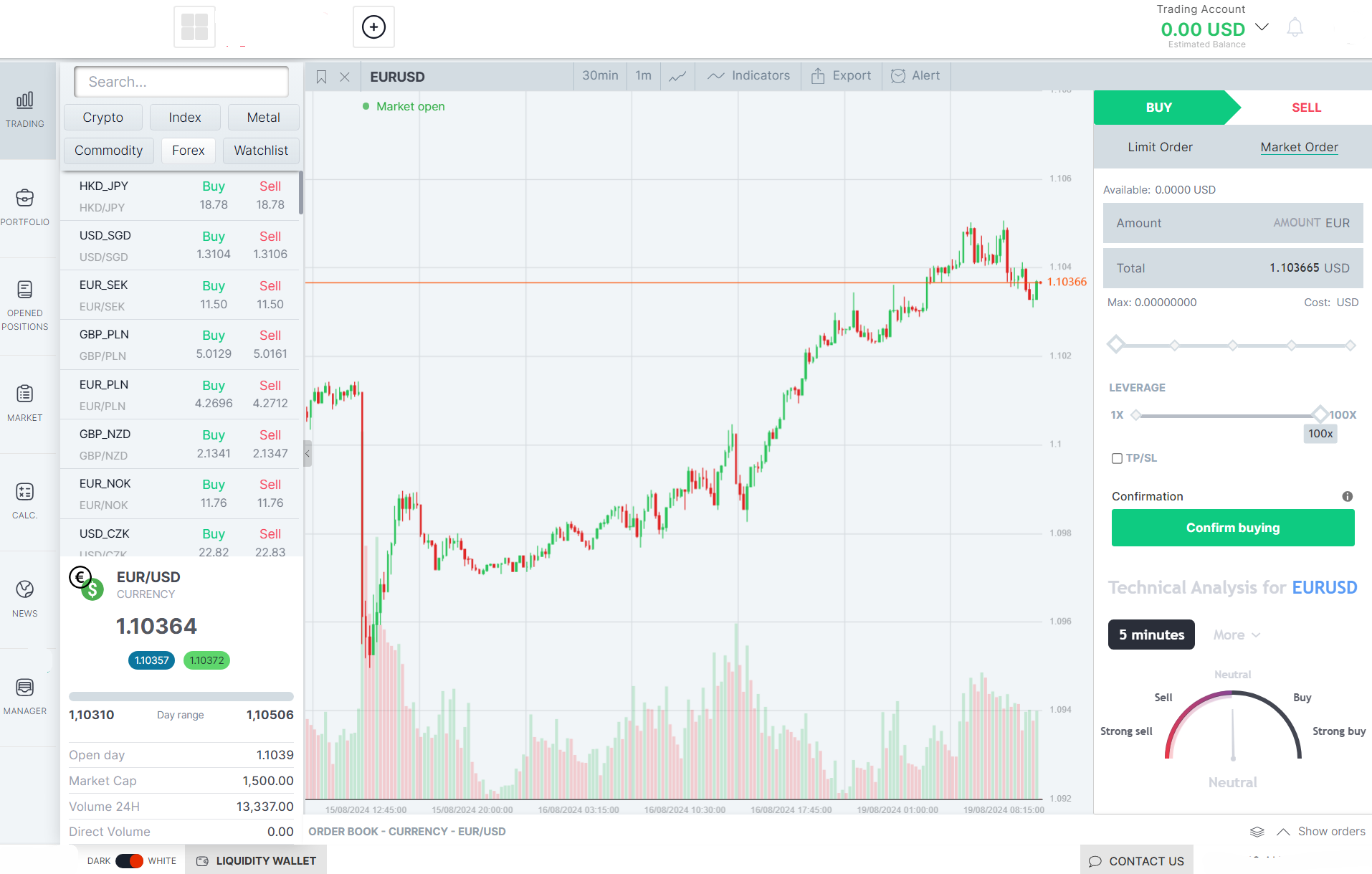
CFD steht für Contract for Difference. Mit CFD-Handel spekulieren Trader auf Kursbewegungen verschiedener Finanzinstrumente — Aktien, Rohstoffe, Indizes und Kryptowährungen — ohne den Basiswert zu besitzen.
Beim CFD-Handel schließen Sie mit einem Broker einen Kontrakt über die Kursdifferenz eines Assets zwischen Eröffnung und Schließung. So können Sie von steigenden und fallenden Märkten profitieren — CFDs sind daher eine vielseitige Trading-Option.
Vorteile von Forex- und CFD-Handel
Forex- und CFD-Handel bieten mehrere wesentliche Vorteile, die Trader anziehen: hohe Liquidität, Hebel, flexible Handelszeiten und vielfältige Chancen. Hohe Liquidität sorgt für schnelle Ausführung zu gewünschten Preisen. Hebel ermöglicht größere Positionen mit weniger Kapital und kann Gewinne verstärken. Der 24-Stunden-Handel an fünf Tagen die Woche deckt unterschiedliche Zeitzonen ab. Zudem bietet die große Instrumentenvielfalt zahlreiche Möglichkeiten zur Diversifikation und Nutzung verschiedener Marktbedingungen.
Hohe Liquidität
Die hohe Liquidität des Forex-Marktes sorgt dafür, dass Trades schnell und zu gewünschten Preisen ausgeführt werden können.
Hebel
Forex- und CFD-Handel nutzen oft Hebel, sodass Trader größere Positionen mit weniger Kapital steuern können. Das kann Gewinne verstärken.
Flexibilität
Vielfältige Chancen
Wichtige Begriffe
Für erfolgreichen Forex- und CFD-Handel ist es entscheidend, die wichtigsten Marktbegriffe zu verstehen:
-
Pips: Die kleinste Kursbewegung in einem Währungspaar. Bei den meisten Paaren entspricht ein Pip 0,0001. -
Lots: Standardisierte Mengen an Währung oder Assets. Im Forex entspricht ein Standard-Lot 100.000 Einheiten der Basiswährung. -
Hebel: Einsatz geliehener Mittel zur Erhöhung der potenziellen Rendite. Wird als Verhältnis angegeben, z. B. 1:100. -
Margin: Kapital, das nötig ist, um eine gehebelte Position zu eröffnen und zu halten. Meist als Prozentsatz der Gesamtposition angegeben. -
Spread: Die Differenz zwischen Bid- (Kauf-) und Ask- (Verkaufs-)Preis eines Währungspaars oder CFDs.
Entdecken Sie, wie unsere Trading-Plattform und unser CRM die Fähigkeiten Ihres Brokerages stärken, Onboarding vereinfachen und erstklassigen Service ermöglichen.
Forex trading involves the buying and selling of currencies in pairs, such as EUR/USD, while CFD (Contract for Difference) trading allows traders to speculate on the price movements of various financial instruments, including stocks, commodities, indices, and cryptocurrencies, without owning the underlying asset. Forex trading focuses solely on currency pairs, whereas CFDs offer a broader range of trading opportunities.
Hebel allows traders to control larger positions with a smaller amount of capital. In Forex and CFD trading, brokers often offer leverage, meaning you can control a large trade by only committing a fraction of its value.
For example, with a 1:10 leverage, you can control $10,000 in value with just $1,000 of your own capital. However, the required capital depends on the trading strategy and the broker's requirements. For Forex trading, you can start with as little as $100, but $500-$1,000 is often recommended to provide a buffer against losses and to make meaningful trades.
CFD trading might require more capital depending on the assets traded. Always ensure you're using money you can afford to lose, as leverage can magnify both gains and losses.
Hebel allows you to control a larger position with a smaller amount of capital. For example, with 1:100 leverage, you can control $10,000 with just $100. While leverage can amplify profits, it also increases the potential for losses. It's crucial to use leverage wisely and understand the risks involved.
The choice of indicators depends on your trading style and strategy. For example, scalpers might use moving averages and Bollinger Bands for quick decision-making. Day traders often use Fibonacci retracements and volume indicators. Swing traders might rely on trend lines and MACD. Position traders focus on fundamental analysis with support from long-term technical indicators. Experiment with different indicators in a demo account to see which ones complement your strategy.
Backtesting is crucial as it allows you to test your strategy on historical data to see how it would have performed. This helps identify any weaknesses and areas for improvement. However, keep in mind that past performance does not guarantee future results. It’s an important step to refine your strategy before using it in a live trading environment.
Yes, automated trading systems, or trading bots, can be used to implement various strategies, especially for scalping and day trading. These systems can execute trades based on predefined criteria without human intervention, which can be beneficial for executing trades quickly and efficiently. However, it's important to monitor automated systems regularly to ensure they are functioning as expected.
Forex trading strategies typically focus on currency pairs and are influenced by economic indicators and geopolitical events. CFD trading strategies can be applied to a broader range of assets, including stocks, commodities, and indices, and might involve different techniques like hedging and arbitrage. The choice of strategy depends on the specific market conditions and the trader's objectives.
Risk management is essential in trading. Key techniques include setting stop-loss orders to limit potential losses, using take-profit orders to lock in gains, proper position sizing to avoid overexposure to any single trade, diversification to spread risk across different trades or assets, and maintaining a trading journal to track performance and identify areas for improvement.
To stay disciplined with your trading strategy, stick to your predefined rules without letting emotions influence your decisions. Use risk management tools like stop-loss and take-profit orders, control position sizes, and keep a trading journal to review your performance. Consistency and patience are key to following your plan and improving over time.